
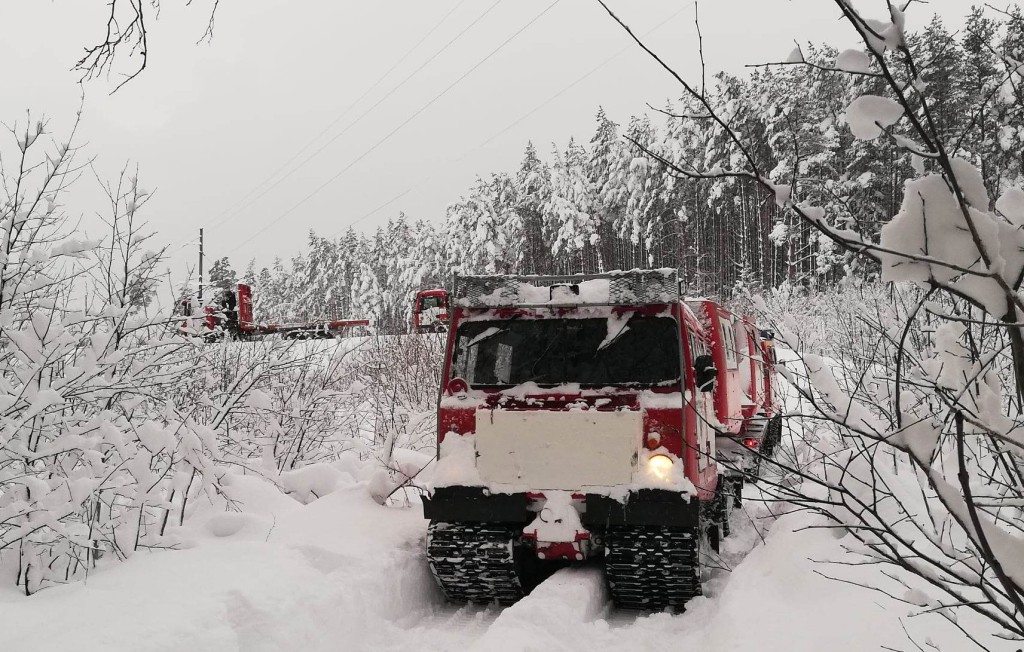
Excess of snow and gusts of wind mean that power outages are to be expected due to the trees that have fallen on power lines. Restoring power takes more time in difficult conditions and the supply of water could also be disrupted due to the power outages.
Each individual and family can also prepare for the storm on their own, by following the instructions below and reviewing their crisis supplies. The better people themselves have prepared for the storm, the more effectively the rescue services can operate in adverse conditions.
Before the snowstorm:
- Stock up on drinking water, food, batteries, and heating wood. You can find the recommended list for supplies for a week from here: recommended supplies.
- Take possible power outages into consideration. Charge your mobile phone and power banks and fuel your car.
During the storm:
- If you can, stay indoors and avoid moving around outside.
- When dressing to go outside, take into consideration that the wind makes the weather even colder. Wear more clothing in windy weather. Avoid moving under trees, as the branches can break in strong winds.
- If you can, do not drive, especially on side roads. If driving is unavoidable, take along a fully charged mobile phone and power banks, a snow shovel, warm clothing, and a hot drink. Before setting out, make sure that your car has tires that meet the requirements and that the windshield wipers work. Choose a driving speed that is in accordance with the weather conditions.
- You should also be careful when moving around as a pedestrian or on a bike – in stormy conditions, the removal of ice and snow from the sidewalks and bike paths could be delayed.
- You can ask for information about obstacles on roads due to the blizzard from the helpline 1247.
- Notify about power outages on the Elektrilevi failure line 1343. Notify the Emergency Response Centre of downed power lines as well, by calling 112.
- In case of human injuries and direct danger, call the emergency line 112.
- You can also notify of power outages or a dangerous situation through the web application MARU: https://maru.elektrilevi.ee/. It is also possible to get information on the predicted time of failure removal from there.
If your car gets stuck on the road in a snowstorm:
- Find shelter or, if that is not possible, stay in the car.
- Call for help. If you do not have mobile reception, you can call the emergency line 112 even without reception. It is possible that volunteers who have a vehicle that can permeate well, and the necessary equipment can also come to your aid – look for the contacts of volunteers operating near your location from the 4x4help.eu web page.
- Analyse how to be visible to people who are coming to assist you: for instance, hang something colourful from the window, switch on the car’s hazard lights.
- If the car is running, the window must be slightly open; to avoid carbon monoxide, make sure that the opening of the exhaust pipe is free from snow.
A level two warning has been issued across Estonia for tonight and tomorrow, which means that the weather could be dangerous.
According to the prognosis of the weather service, heavy snow and sleet will arrive on the islands on the evening of November 22, the wind will increase, with gusts of up to 15 m/s inland, 21 m/s on the coasts and 25 m/s on the islands. The wind will continue to pick up during the night of November 23, heavy snowfall and blizzards spreading quickly all over the country. The snowfall could be 7-12cm, in Southwest Estonia possibly up to 15cm.
On November 23, different areas will get snowfall, sleet and rain, there are blizzards and a risk of glaze. During the day on November 23, the precipitation will decrease in some areas, but new heavy sleet will start falling in the evening. The roads are slippery and the road conditions complicated.
A level two warning: occurrence of unusual weather phenomena. Be very vigilant and keep following the weather prognosis. Be aware of the risks that might be unavoidable. Follow all the recommendations issued by the authorities.

